
RMA Processes

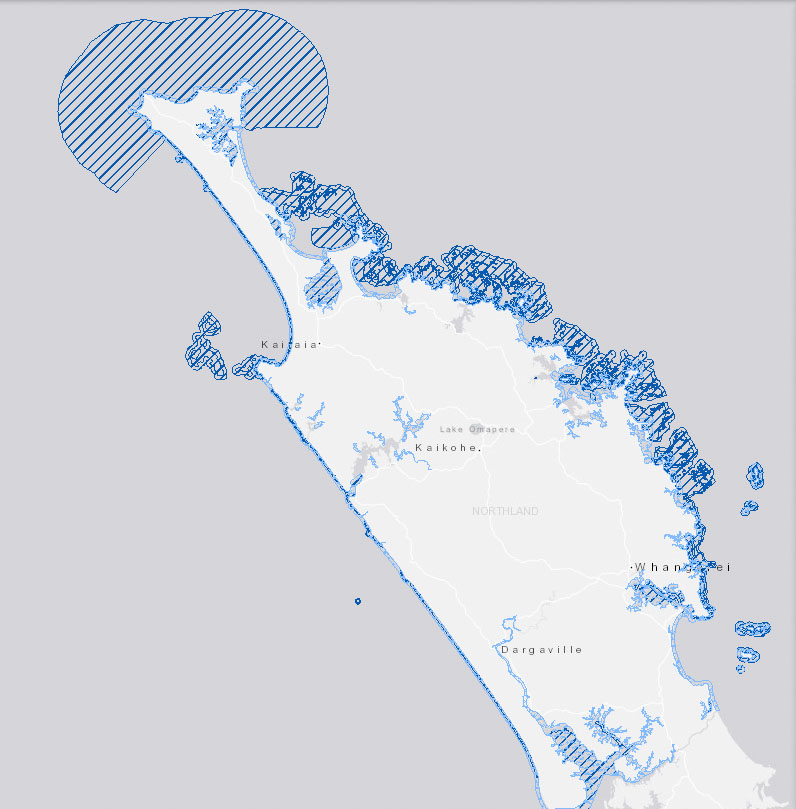
Northland SEA map2Northland's marine significant ecological areas map

RMA Processes
There was a long debate about whether or not the Resource Management Act has a responsibility in the coastal marine area with regards to managing threats to marine biodiversity and habitats as a result of fishing impacts. In the past, Government sources took a position that this was purely a fisheries issue to be managed under the Fisheries Act. In 2019 Motiti Rohe Moana Trust from Motiti Island, near Tauranga, challenged this 'status quo' in the Courts and won at the Environment Court, the High Court and the Appeal Court. This was an important milestone for marine conservation in New Zealand.
This precedent led to the Bay of Plenty Regional Council establishing spatial closures around Motiti Island that prohibit fishing in three reef areas to protect the marine environment and more recently the rahui tapu in Northland.
Legal basis and precedent
RMA vs. Fisheries Act: The cases established that the RMA's broader purpose of sustainable management, which includes protecting ecosystems, allows for controls like fishing bans for biodiversity reasons, separate from the Fisheries Act's focus on managing fish stocks.
Court rulings: The Court of Appeal confirmed that regional councils have a duty to maintain and enhance marine biodiversity and can control activities like fishing for this purpose, as long as the control is not for a fisheries management purpose.
Environment Court decision: Following the appeal court's guidance, the Environment Court directed the Bay of Plenty Regional Council to implement new rules in its Regional Coastal Environment Plan.

Northland has developed  Significant Ecological Areas for marine protection planning.


Sidebar Menu